Origins

a

🌍 Where It All Began The history of aromatherapy stretches back thousands of years, across continents and cultures that all shared one belief: scent has power. In ancient Egypt, aromatic oils were considered sacred. Priests blended resins and herbs like frankincense and myrrh to purify temples and prepare the mind for prayer. Egyptians even used scented balms to honor the dead, believing fragrance guided the soul toward eternity. In ancient Greece, the philosopher Hippocrates recommended aromatic baths and massages as part of daily health — seeing the body and spirit as deeply connected. In China, incense was used in temples and homes alike to aid meditation and healing. Herbs like sandalwood, cinnamon, and jasmine were burned to balance energy and bring harmony to the mind. Across all these cultures, fragrance wasn’t just luxury — it was medicine, ritual, and art.

a

🌿 The Birth of Aromatherapy

The modern idea of aromatherapy began in 1937 with a curious French chemist named René-Maurice Gattefossé, a man whose fascination with scent and science led him to an unexpected discovery. Gattefossé worked in his family’s perfume laboratory, surrounded daily by bottles of fragrant oils and experimental blends. His world was one of precision — measuring, testing, and documenting every detail. But one summer afternoon, an accident changed the course of his life and the future of natural wellness. While conducting an experiment, a sudden explosion set his hand ablaze. Acting on instinct, he plunged it into the nearest liquid he could find — a bowl of pure lavender essential oil. What happened next astonished him. The burning pain faded almost instantly. Over the following days, his wound healed with remarkable speed and minimal scarring, far better than any treatment he had ever seen. This incident sparked a lifelong obsession. Gattefossé wanted to understand why lavender worked so effectively — not just on the skin, but seemingly on the mind as well. He began studying essential oils in depth, analyzing their chemical structures, testing their effects, and documenting how different scents influenced both physical healing and emotional states. His research led him to an extraordinary conclusion: these oils were more than pleasant perfumes. They carried complex natural compounds that interacted directly with the body’s systems — calming nerves, stimulating energy, reducing inflammation, and lifting mood. He realized that scent could be a form of medicine, and he called this new field “aromathérapie.” Gattefossé’s findings challenged the way people viewed fragrance. Until then, perfume was seen as luxury — a symbol of beauty and wealth. But he showed that the essence of plants had a deeper, biological purpose: to restore balance, to protect, to heal. His work inspired doctors, herbalists, and perfumers to look beyond aroma and explore the science of emotional well-being through scent. Over the decades, his ideas spread around the world. Aromatherapy became not only a branch of alternative medicine but also a philosophy of connection — between body and mind, nature and human care. From his single act of instinct came a legacy that continues today: the belief that fragrance can comfort, restore, and remind us of our bond with the natural world. Gattefossé didn’t just discover a healing property in lavender; he revealed a truth that still resonates — that fragrance, at its heart, is a gentle form of care, and that something as small as a scent can transform the way we feel, think, and heal.

🕯️ How Candles Evolved

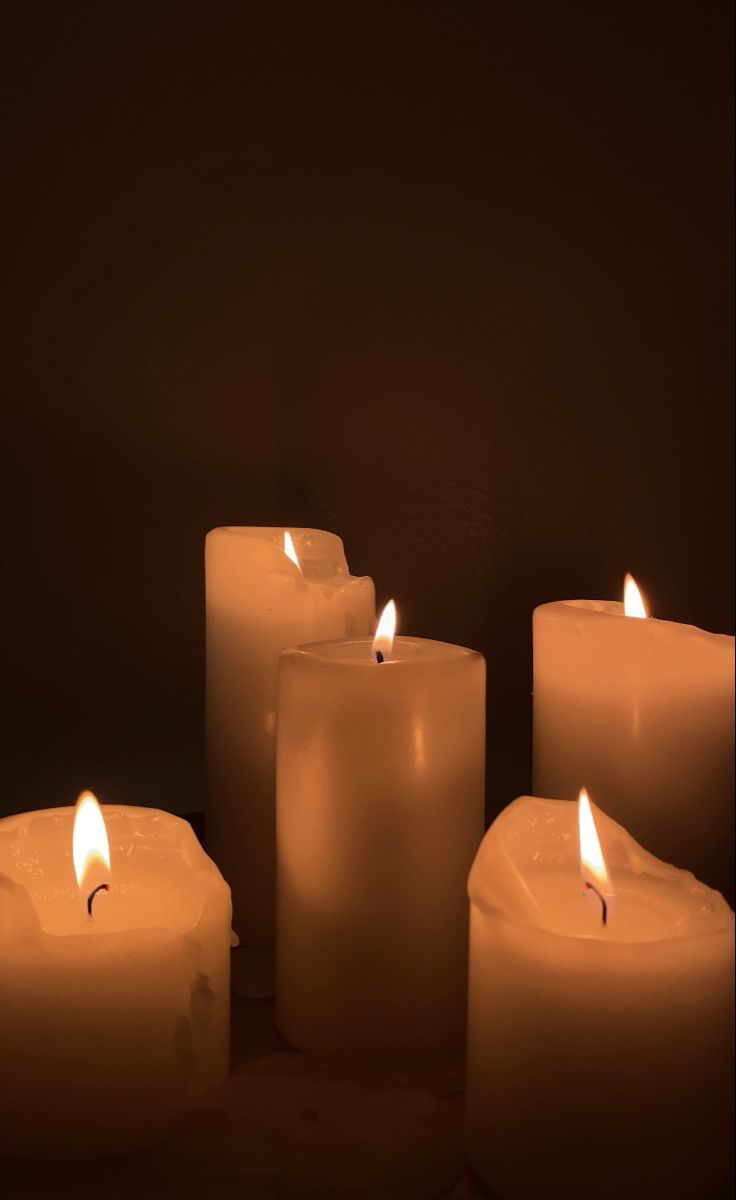
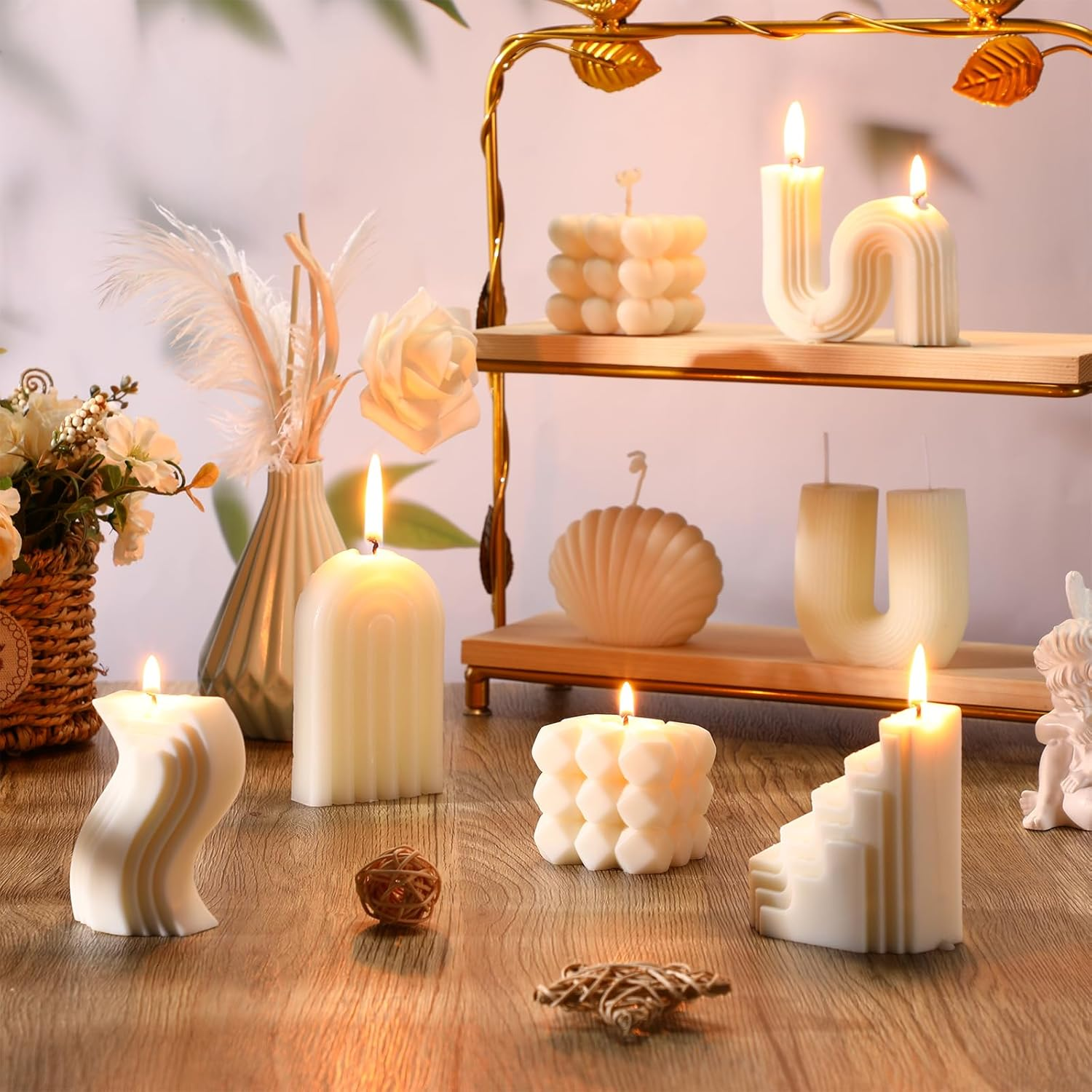
Candles began as tools — simple, practical sources of light long before electricity existed. The earliest versions were humble creations made from tallow, beeswax, or animal fat, hand-poured into clay or metal holders. They flickered in cottages, temples, and castles alike, illuminating the dark and guiding people through night after night. But even in their earliest forms, candles carried a quiet beauty. The soft glow they gave off felt alive, almost sacred, and over time, people began to associate that light with more than just visibility — it became a symbol of warmth, hope, and connection. Across civilizations, the candle found a place in the heart of human ritual. In ancient Egypt, beeswax candles were burned in honor of the gods, their rising smoke believed to carry prayers upward. In Rome, they marked festivals and ceremonies, illuminating spaces of joy and remembrance. In China and Japan, candles were part of both religious offerings and family traditions, glowing beside incense to invite harmony and good fortune. In churches and temples, they became symbols of purity and devotion — a way to represent the divine presence through light. To light a candle was to express faith, remembrance, or gratitude. The act itself was intimate: a flame kindled with purpose, its steady glow representing something eternal and unseen. As centuries passed, candles evolved alongside human culture. They became markers of time and emotion, present at births, weddings, and funerals — the most meaningful moments of life. Their light reflected joy during celebration and comfort during loss. With every civilization, the candle adapted — from tall, ornate pillars that filled cathedrals with golden light to hand-rolled beeswax tapers that flickered softly in small village homes. When trade expanded and materials improved, candle-making became an art form. Skilled chandlers experimented with new waxes, fragrances, and shapes, creating candles not only for light but also for atmosphere and ceremony. In the 19th century, when gas and electricity began to replace them as everyday lighting, candles didn’t disappear — they simply changed purpose. No longer a necessity, they became a symbol of comfort and meaning. Then came the transformation that redefined them once more — the merging of candlelight with aromatherapy. When essential oils were added to wax, the candle’s role deepened. It was no longer just a vessel for light; it became a tool for healing and self-care. The flame represented presence and peace, while the scent worked quietly to balance the mind and emotions. Together, they formed a union of ancient ritual and modern mindfulness. Today’s aromatherapy candles are the continuation of that long journey. Each one is a bridge between eras — carrying the wisdom of old traditions into our modern spaces. They honor the past while answering the needs of the present: calm in chaos, warmth in stillness, light in the dark. To light one is to participate in something timeless — a practice shared by countless generations before us. The same soft flame that once guided travelers through ancient nights now glows in bedrooms, studios, and cozy corners around the world. And though the reasons have changed — from worship to wellness, from survival to serenity — the meaning remains the same. A candle still represents a spark of life, a touch of warmth, and a reminder that even in darkness, there is always light.