Popularities
✨ From Craft to Culture
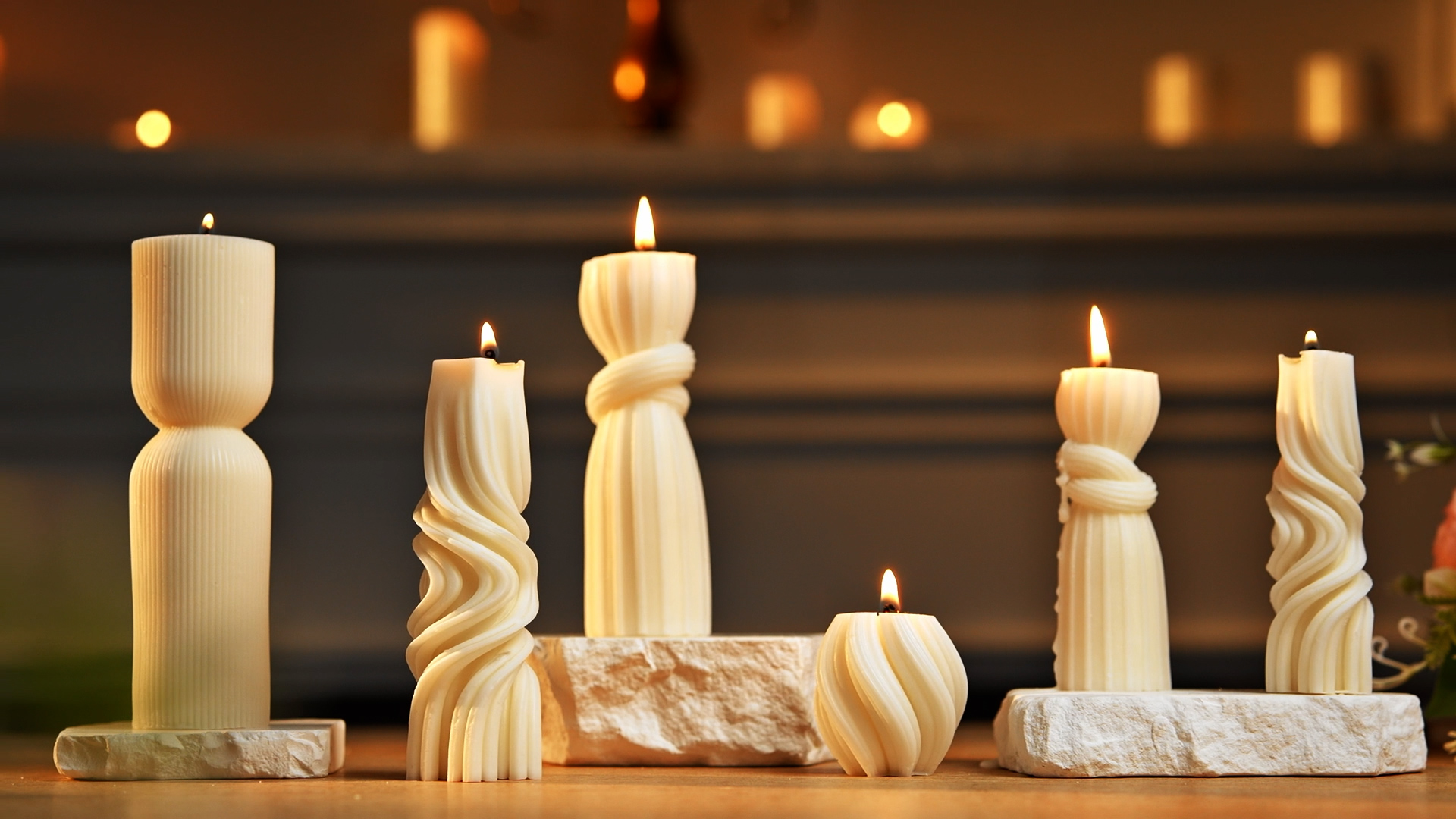
The earliest aromatherapy candles were crafted by hand in small, intimate batches. Often made in tiny studios, local markets, or the kitchens of passionate artisans, each candle was poured slowly and deliberately. Makers carefully blended wax with essential oils and botanicals, treating the process as almost meditative — a rhythm of intention, patience, and care. These candles weren’t flawless. Tiny bubbles in the wax, slightly uneven edges, or small variations in color were signs of their authenticity. Every imperfection was a mark of human touch, a reminder that these objects carried the energy and care of the person who created them. As awareness of wellness and self-care began to spread, these handcrafted candles found their way into homes, studios, and quiet corners around the world. People discovered them not just as sources of fragrance, but as tools for focus, relaxation, and mindfulness. During yoga sessions, meditation, or evening rituals, the gentle aroma of lavender, sandalwood, citrus, or eucalyptus became a companion for presence. Lighting a candle offered a moment to pause, to slow down, and to reconnect with oneself. The soft glow and drifting scent created a private sanctuary, even in the midst of a busy or noisy day. These early candles carried more than fragrance — they carried intention. To light one was to say, “I am taking this moment for myself.” It was a subtle act of self-care, a small ritual that invited calm, reflection, and mindfulness into ordinary life. Their warmth, light, and aroma reminded people that moments of peace were not luxuries, but choices that could be made, one candle at a time. In a world that often feels chaotic and hurried, these handcrafted aromatherapy candles quietly offered something timeless: a pause, a breath, and a touch of care. Over time, their influence grew. From local markets to wellness studios, and eventually into homes across continents, these candles became symbols of the modern pursuit of balance and mindfulness. Yet at their heart, they remain what they always were — simple, human creations that transform small moments into meaningful ones, one flicker of light and one waft of scent at a time.
🌍 A Global Trend
ChatGPT said: By the early 2000s, aromatherapy candles had gone global, finding their way into homes, studios, and sanctuaries all over the world. What began as a niche wellness trend grew into a quiet cultural movement. From minimalist Japanese tea rooms to cozy Parisian apartments, from Scandinavian cabins to sunlit California homes filled with plants and soft music — people were rediscovering the power of scent to shape emotion, space, and energy. A single candle could change the atmosphere of a room. Its fragrance could ground you after a long day, or open your mind as you studied, stretched, or rested. Slowly, they became part of everyday rituals: one lit before meditation, one for focus during work, one for comfort before bed. The soft glow and gentle aroma offered something technology couldn’t — stillness. They began appearing everywhere: spas, yoga studios, therapy offices, cafés, even classrooms. Each setting revealed a different side of their effect — sometimes soothing, sometimes inspiring, always grounding. They were no longer just scented objects; they became a shared language of care, a quiet form of emotional support that crossed cultures and continents. Social media amplified that sense of connection. Images of candles beside open journals, ceramic mugs, or cozy blankets became a kind of visual poetry — a shorthand for mindfulness and calm. Influencers and artists began treating the act of lighting a candle as a ritual of presence, a reminder that peace doesn’t have to be far away. Yet even beyond the aesthetic, people kept returning to something much simpler. Lighting a candle works. The scent shifts the mood, the glow softens the air, and for a moment, the world feels more manageable. It’s a small act that reminds us to breathe, to feel, and to simply be.
💡 Everyday Essentials
What once felt like a luxury — a small indulgence for special occasions or quiet evenings — has now become a meaningful part of everyday life for people around the world. Aromatherapy candles are no longer reserved for spas or boutique stores; they have found their way into bedrooms, living rooms, kitchens, and offices, becoming trusted companions in the daily rhythm of modern life. Students light them while studying, letting the gentle glow and subtle fragrance help their minds focus and settle. The scent of eucalyptus or rosemary can clear mental fog, while soft lavender or chamomile provides a calming backdrop for long nights of reading or creative work. Professionals use them to unwind after demanding days, placing them on desks or near bathtubs as a reminder to slow down, exhale, and release tension. Even a few minutes with a flickering candle can mark the transition from work to rest, creating a ritual of decompression that the mind and body crave. Families light candles during dinner or quiet evenings together, infusing ordinary moments with a sense of ceremony and presence. The warm glow around a table, paired with comforting scents like vanilla, citrus, or sandalwood, encourages connection and conversation. It’s a reminder that even small gestures can turn routines into experiences, that care and attention can be expressed through light, fragrance, and shared presence. Aromatherapy candles have become essential tools for many — subtle aids that guide mood, support emotional well-being, and create pockets of calm in a busy world. They are grounding anchors, reminding us to reconnect with ourselves even in fleeting moments. They offer balance and comfort, helping us navigate stress, fatigue, or mental clutter. And yet, the beauty of aromatherapy candles is in their simplicity. They don’t demand complicated rituals or expensive surroundings. Sometimes, all it takes is the act of lighting a small flame and letting it work its quiet magic. The glow, the scent, and the rhythm of burning wax together create a gentle, almost imperceptible shift: the room feels warmer, the air feels softer, the mind feels lighter. In that small, ordinary act, there is care — a reminder that well-being doesn’t need to be grand or elaborate. It can be as simple as a flame and a breath, a moment of presence that unfolds naturally, quietly, and beautifully.